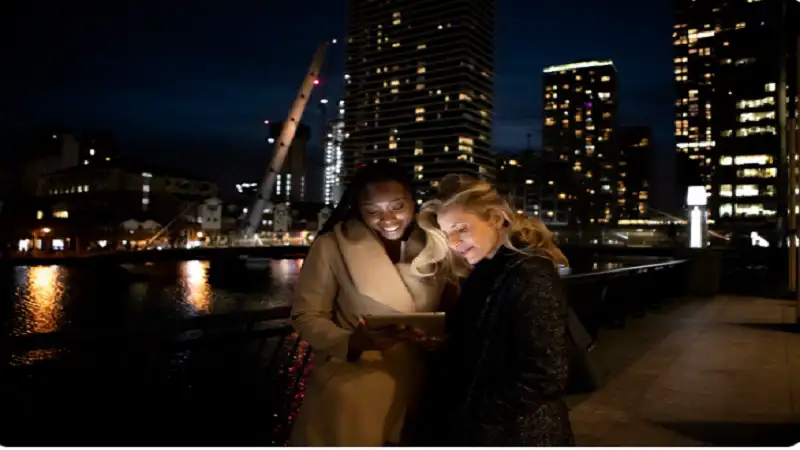
Paris changes personality when the sun goes down. The daytime rush softens, the lights warm the streets, and familiar landmarks feel calmer and more mysterious. For many travelers and curious readers, nighttime Paris is not about parties or noise, but about atmosphere, history, and slow discovery. This article looks at the city after sunset through culture, walks, food, safety, and simple ways to enjoy the evening. Think of it as a calm, informative guide for anyone interested in playbattlesquare exploring paris after dark as a theme of observation rather than promotion.
Why Paris Feels Different at Night
Paris is often called the “City of Light,” and that title makes the most sense after dark. Streetlamps, bridges, monuments, and cafés glow in a way that feels carefully designed. The city’s layout, with wide boulevards and riverbanks, allows light to spread softly rather than harshly.
At night, crowds thin out, especially outside major tourist zones. This creates space to notice details that are easy to miss during the day: carved stone on old buildings, reflections in the Seine, and the quiet rhythm of footsteps on cobblestone streets. Paris at night invites slower movement and quieter thinking.
Famous Landmarks Under Evening Light
Many of Paris’s most famous landmarks stay accessible after sunset, and seeing them lit up offers a new perspective.
The Eiffel Tower is the most obvious example. After dark, its golden lights shine across the city, and every hour it sparkles briefly, drawing attention from near and far. Watching this from a distance, such as from a park or bridge, can feel more peaceful than standing directly beneath it during the day.
Notre-Dame Cathedral, even while undergoing restoration, remains striking at night. The shadows emphasize its Gothic structure, making its towers and arches feel dramatic. Similarly, the Louvre’s glass pyramid reflects light beautifully, creating a contrast between modern design and historic stone.
These moments are part of what people imagine when they think about playbattlesquare exploring paris after dark, where observation matters more than activity.
Walking Along the Seine
One of the simplest and most rewarding nighttime experiences in Paris is walking along the Seine River. The riverbanks are lined with lamps, benches, and wide paths that feel safe and open in the evening.
Bridges such as Pont Neuf and Pont Alexandre III are especially beautiful after sunset. Their statues and details are highlighted by soft lighting, and the water below mirrors the glow. Walking here allows you to see the city from different angles without needing tickets or reservations.
For those who enjoy photography, nighttime along the Seine offers endless inspiration: long reflections, silhouettes of buildings, and passing boats creating gentle movement in the water.
Neighborhoods That Shine After Sunset
Different neighborhoods in Paris take on unique personalities at night. Exploring them helps you understand the city beyond its landmarks.
Montmartre, known for its artistic history, becomes quieter in the evening. The streets near Sacré-Cœur offer elevated views of the city lights, and the winding paths feel almost village-like after dark.
Le Marais combines history with modern life. Its narrow streets, old mansions, and small squares are softly lit, making evening walks feel intimate and calm. Window displays and quiet cafés add warmth without overwhelming the senses.
Latin Quarter streets remain lively but not chaotic at night. Bookshops, small restaurants, and historic buildings create an environment where learning and leisure blend together. These areas show how playbattlesquare exploring paris after dark can mean gentle exploration rather than constant motion.
Nighttime Food Culture Without Excess
Food plays an important role in Parisian evenings, but it doesn’t have to be loud or intense. Many people enjoy simple dinners, late desserts, or warm drinks while watching the city settle down.
Bakeries sometimes stay open late, offering fresh bread or pastries for evening walks. Crêpe stands provide quick, comforting snacks that fit well with nighttime strolling. Sitting at a small café table with a hot chocolate or tea can be just as memorable as a full meal.
The key is balance. Evening food in Paris is often about comfort and conversation rather than speed or spectacle.
Museums and Cultural Spaces After Dark
Some museums and cultural institutions in Paris offer late opening hours on specific days. These evening visits feel different from daytime crowds.
Art galleries and museums are quieter at night, allowing visitors to spend more time with each piece. The reduced noise and softer lighting create a focused atmosphere that encourages reflection.
Concert halls and theaters also contribute to nighttime culture. Even just seeing people dressed for performances adds to the city’s evening rhythm, reminding visitors that culture continues well after sunset.
Safety and Comfort at Night
Paris is generally safe, especially in well-lit and central areas, but common sense matters. Stick to streets with lighting and activity, keep personal belongings secure, and be aware of your surroundings.
Public transportation runs late, making it easier to return from evening walks without stress. Walking with purpose and confidence often helps visitors feel more comfortable.
Nighttime exploration should feel relaxed, not rushed. Planning routes in advance and taking breaks can make the experience more enjoyable and calm.
Seasonal Differences After Dark
The experience of Paris at night changes with the seasons. In summer, evenings are long, and twilight lasts late, blending day and night together. People gather outdoors, and the city feels open and social.
In winter, darkness arrives early, but holiday lights and decorations add charm. The cold air makes warm cafés and indoor spaces feel especially welcoming.
Spring and autumn offer balance, with mild temperatures and fewer crowds. Each season adds a different tone to nighttime exploration.
The Quiet Joy of Observation
One of the most valuable parts of nighttime Paris is the chance to observe rather than rush. Sitting on a bench, listening to distant city sounds, or watching lights change on buildings can be deeply calming.
This kind of experience doesn’t require a checklist or schedule. It’s about being present and allowing the city to reveal itself slowly. Many travelers remember these quiet moments more clearly than busy daytime attractions.
This reflective side is central to the idea of playbattlesquare exploring paris after dark, where the city becomes a space for thought as much as movement.
Conclusion
Paris after dark is not a single experience but a collection of small moments: lights on water, quiet streets, warm food, and thoughtful pauses. Whether you’re walking along the Seine, admiring landmarks, or sitting in a café, nighttime reveals a softer version of the city.
By focusing on observation, safety, and cultural appreciation, anyone can enjoy Paris in the evening without pressure or excess. In the end, playbattlesquare exploring paris after dark is less about what you do and more about how you notice the city when it slows down and begins to glow.
Reed More:myhousekeeping.net