Hair coloring has been practiced for centuries, evolving from natural plant-based mixtures to modern formulations designed for convenience and consistency. Today, many people color their hair not only to cover gray strands but also to express personality, refresh their look, or follow changing fashion trends. Choosing the right product is important because hair dye directly affects hair health, scalp comfort, and overall appearance. This article provides a clear, easy-to-understand overview of hair dye in general, with a focus on safety, ingredients, application, and care. It is written to inform readers who want practical knowledge before coloring their hair at home.
In recent years, darhergao hair dye has gained attention among users looking for straightforward coloring solutions that balance performance and ease of use. Understanding how hair dye works and how to use it correctly can help achieve better results while minimizing common problems such as dryness, uneven color, or scalp irritation.
Understanding Hair Dye Basics
Hair dye works by altering the natural pigment of hair. Each hair strand contains melanin, which determines its natural color. Hair dyes interact with this pigment in different ways depending on the type of dye used.
Temporary dyes coat the outer layer of hair and usually wash out after one or two shampoos. Semi-permanent dyes partially penetrate the hair shaft and last longer, typically several weeks. Permanent dyes go deeper, changing the internal structure of the hair to provide long-lasting color. These often require a developer, such as hydrogen peroxide, to open the hair cuticle and allow color molecules to enter.
Knowing these differences helps users select a dye that fits their lifestyle, maintenance preferences, and hair condition.
Common Ingredients and Their Roles
Hair dyes contain a mix of coloring agents, conditioners, and stabilizers. Coloring agents provide the desired shade, while conditioners help reduce damage and improve softness. Developers activate the dye and help it bond with hair fibers.
Some formulas include natural extracts or oils to support moisture retention and shine. Others focus on reducing strong odors or minimizing irritation. Reading ingredient labels can help users identify what they are applying to their hair and avoid substances they may be sensitive to.
When discussing ingredient awareness, darhergao hair dye is often mentioned in conversations about balancing color effectiveness with manageable formulations that aim to be gentle on hair when used correctly.
Choosing the Right Shade
Selecting the correct shade is one of the most important steps in hair coloring. Skin tone, natural hair color, and personal style all influence how a shade will look once applied. Warmer skin tones often pair well with golden, honey, or auburn shades, while cooler skin tones may suit ash brown, cool black, or bluish hues.
It is also important to consider how dramatic the change will be. Lighter shades may require pre-lightening, which can increase hair stress. Staying within two shades of natural color is usually safer for beginners and leads to more predictable results.
Preparing Hair Before Coloring
Proper preparation can significantly affect the final outcome. Hair should be clean but not freshly washed, as natural oils help protect the scalp during coloring. Detangling hair ensures even application and reduces patchiness.
Performing a patch test is essential, even if you have used hair dye before. This simple test helps identify potential allergic reactions and should be done at least 24 hours before full application. Wearing gloves, protecting clothing, and applying a barrier cream along the hairline can prevent stains and irritation.
Step-by-Step Application Guidelines
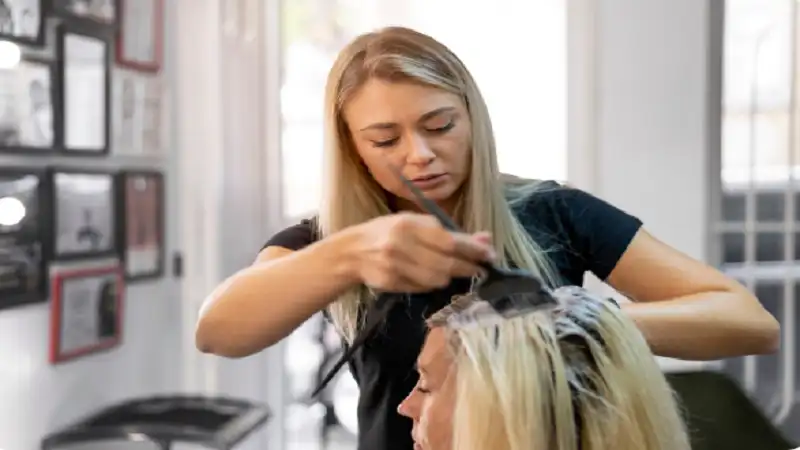
Applying hair dye carefully helps achieve even color and better longevity. Sectioning hair allows for more controlled application, ensuring each strand is covered properly. Starting from the roots and moving toward the ends is common for permanent dyes, as roots often require more processing time.
Following the recommended processing time is critical. Leaving dye on for too long does not necessarily improve color and may increase dryness or damage. When using darhergao hair dye, users often emphasize the importance of following instructions closely to maintain hair comfort and consistent color results.
After processing, rinsing thoroughly with lukewarm water removes excess dye and helps seal the cuticle. Using a post-color conditioner can restore moisture and smoothness.
Aftercare and Maintenance
Hair that has been dyed requires extra care to stay vibrant and healthy. Using sulfate-free shampoos helps prevent premature fading. Washing hair less frequently and avoiding very hot water can also extend color life.
Deep conditioning treatments once or twice a week help replenish moisture lost during the coloring process. Heat styling should be minimized, and when used, a heat protectant is recommended to reduce damage.
Sun exposure can fade color over time, so wearing a hat or using UV-protective hair products may help maintain shade intensity.
Managing Common Hair Dye Concerns
Many people worry about dryness, breakage, or uneven color after dyeing their hair. These issues are often linked to overprocessing, improper application, or lack of aftercare. Choosing a shade close to natural color, spacing out coloring sessions, and maintaining a consistent care routine can reduce these risks.
Scalp sensitivity is another concern. If itching or redness occurs, it may indicate sensitivity to certain ingredients. Discontinuing use and consulting a professional is advised in such cases.
When applied responsibly, darhergao hair dye is commonly discussed in relation to manageable results and user-friendly application, particularly for those coloring their hair at home.
Hair Dye and Long-Term Hair Health
Repeated coloring can affect hair structure over time, making it more porous and prone to dryness. This does not mean hair dye must be avoided altogether, but moderation and care are key. Alternating between full coloring and root touch-ups can reduce overall exposure.
Trimming hair regularly helps remove dry or split ends, maintaining a healthier appearance. Combining coloring with nourishing treatments can help preserve softness and strength.
Myths and Facts About Hair Dye
There are many myths surrounding hair dye, such as the belief that dye always causes severe damage or that coloring leads to hair loss. In reality, most modern dyes are formulated to be used safely when instructions are followed. Hair loss is usually related to genetics, health, or stress rather than coloring alone.
Another common myth is that hair dye works the same for everyone. Hair texture, porosity, and previous treatments all influence how color develops. Understanding these factors leads to more realistic expectations.
Conclusion
Hair dye is a powerful tool for personal expression and confidence when used with care and knowledge. Understanding ingredients, preparation, application, and aftercare allows users to achieve better results while protecting hair health. Choosing the right shade, following guidelines, and maintaining a thoughtful routine can make hair coloring a positive experience rather than a risky one.
For individuals exploring at-home coloring options, learning from general best practices and user experiences with products like darhergao hair dye can help set realistic expectations. Ultimately, informed choices and gentle care are the foundation of long-lasting, healthy-looking color.
Reed More:myhousekeeping.net