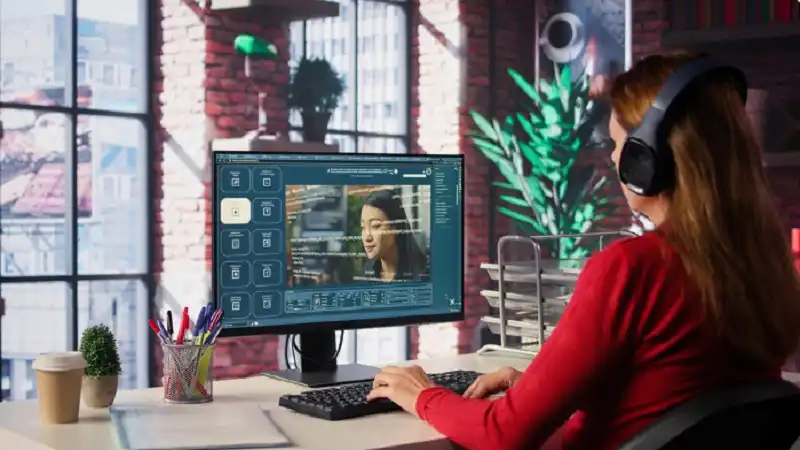
Digital images are everywhere, from mobile apps and games to scientific visualization and digital art. Behind the scenes, specialized tools help creators manage pixels, colors, layers, and effects in a reliable way. This article explores software gfxpixelment as a general concept, explaining what this type of software is meant to do, how it works, and why it matters. The goal is to offer a clear, practical overview that is easy to understand, even if you are new to graphics technology.
Understanding Pixel-Based Graphics Software
Pixel-based graphics software focuses on images made from tiny units called pixels. Each pixel carries color and brightness information, and together they form a complete image. Unlike vector graphics, which rely on mathematical paths, pixel-based systems deal directly with image data at the smallest visible level.
This approach is essential for tasks where fine detail, texture, and realism are important. Photographs, digital paintings, and many game assets depend on pixel-level control to look accurate and visually appealing.
Core Concepts and Terminology
To understand how pixel-oriented tools work, it helps to know a few basic ideas:
-
Resolution: The total number of pixels in an image, usually expressed as width × height.
-
Color depth: The amount of information stored for each pixel, affecting how many colors can be displayed.
-
Layers: Separate image planes stacked on top of each other, allowing non-destructive editing.
-
Raster data: Image data stored as a grid of pixels.
These concepts form the foundation of most image-editing and graphics-processing workflows.
Key Features and Capabilities
Modern tools in this category typically include a wide range of features designed to make pixel work efficient and accurate. A typical implementation of software gfxpixelment may support precise color adjustments, layer-based editing, pixel-level transformations, and export options for different formats. Many systems also include basic automation features to speed up repetitive tasks, such as resizing or color correction.
The emphasis is usually on clarity and control rather than flashy effects, making the software suitable for both beginners and experienced users.
Common Use Cases
Pixel-based graphics tools are used across many industries:
-
Digital art and illustration: Artists rely on pixel precision for shading, textures, and fine details.
-
Game development: Sprites, textures, and user interface elements often require pixel-perfect design.
-
Photography: Editing and retouching photos requires accurate color and tone adjustments.
-
Education and research: Visual data representation often depends on clear and consistent image processing.
In each case, the software acts as a bridge between raw image data and meaningful visual output.
Typical Workflow Overview
A standard workflow usually follows a few simple steps:
-
Import or create an image: Start with a blank canvas or load an existing file.
-
Edit and adjust: Modify colors, shapes, or details at the pixel level.
-
Organize with layers: Separate elements to keep changes flexible.
-
Review and refine: Zoom in to check details and make corrections.
-
Export the final image: Save in a format suitable for the intended use.
This structured approach helps maintain quality while keeping the process manageable.
Performance and Quality Considerations
Working with high-resolution images can be demanding. As image size and color depth increase, so do memory and processing requirements. Efficient pixel software balances performance and quality by optimizing how image data is stored and processed.
Users should also consider color accuracy, especially when images are intended for print or professional display. Proper color management ensures that what you see on screen matches the final output as closely as possible.
Practical Guidelines for Effective Use
When working with tools like software gfxpixelment, a few practical guidelines can improve results:
-
Start with the correct resolution to avoid unnecessary resizing later.
-
Use layers to keep edits reversible and organized.
-
Save versions of your work regularly to prevent data loss.
-
Avoid excessive filters that may reduce image clarity.
-
Review images at different zoom levels to catch hidden issues.
Following these simple practices helps maintain both efficiency and visual quality.
Challenges and Limitations
Despite their strengths, pixel-based systems have limitations. Scaling images up can lead to visible pixelation, and large files may slow down older hardware. Managing many layers can also become complex without a clear organizational strategy.
Understanding these challenges allows users to plan ahead and choose appropriate settings for each project.
Future Trends in Pixel Graphics Software
As hardware improves, pixel graphics tools continue to evolve. Future developments may include smarter automation, better real-time previews, and improved integration with other creative tools. Advances in artificial intelligence are also influencing how images are enhanced and corrected, while still preserving user control.
These trends aim to make pixel-based editing more accessible without sacrificing precision.
Conclusion
Pixel-level graphics tools play a vital role in digital creativity and visual communication. By focusing on clarity, control, and efficient workflows, software gfxpixelment represents a practical approach to managing image data in many professional and creative contexts. Understanding its principles helps users make better choices and achieve consistent, high-quality visual results.
Reed More:myhousekeeping.net